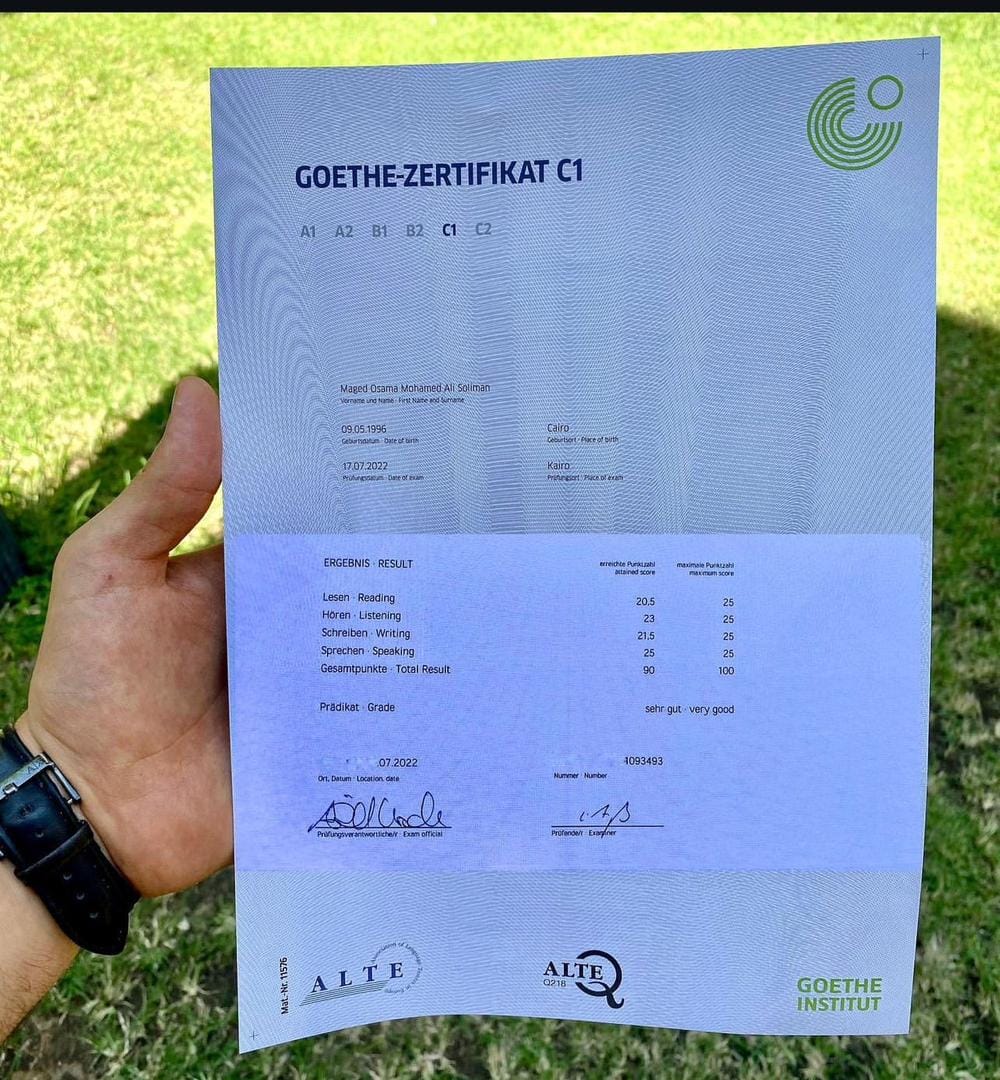
The ÖSD Exam B1 Certificate in German: A Comprehensive Guide
The ÖSD (Österreichisches Sprachdiplom) Exam B1 Certificate is an important stepping stone for non-native German speakers who aspire to demonstrate their proficiency in the language. This globally recognized certificate not just serves as a passport for college and expert opportunities in German-speaking nations however also boosts one's individual and social interactions. In this post, we will delve into the information of the ÖSD B1 exam, its structure, preparation techniques, and regularly asked questions.
Comprehending the ÖSD B1 Exam
The ÖSD B1 exam is aligned with the Common European Framework of Reference for Languages (CEFR), which provides a standardized technique of assessing language proficiency. Attaining a B1 level symbolizes that a prospect has a moderate command of the German language. This indicates the capability to communicate in daily circumstances, understand the bottom lines of clear standard input, and explain experiences, events, dreams, and aspirations.
Exam Structure
The ÖSD B1 exam evaluates 4 essential language abilities: Listening, Reading, Writing, and Speaking. Each component serves to show the candidate's overall efficiency. Below is a table summarizing the exam structure:
| Component | Duration | Description | Points |
|---|---|---|---|
| Listening | 30-- 40 minutes | Candidates listen to discussions and texts, answering concerns to demonstrate understanding. | 25 |
| Checking out | 30-- 40 minutes | Participants read various texts, responding to concerns that evaluate checking out proficiency and understanding. | 25 |
| Composing | Thirty minutes | A writing task that might consist of composing letters, emails, or brief essays. Candidates should demonstrate their writing skills and the ability to reveal ideas clearly. | 25 |
| Speaking | 15 minutes | Includes a discussion with an examiner, evaluation of the ability to speak clearly and coherently. | 25 |
Overall Points: 100
Candidates should accomplish a minimum of 60% to pass the exam, relating to a score of 60 points.
Preparing for the ÖSD B1 Exam
Preparation for the ÖSD B1 exam requires devotion and the best resources. Here are some effective techniques:
1. Enroll in a Language Course
Signing up with a language course customized for B1 level prospects can offer structured learning. A certified instructor can assist you through essential ideas and help construct confidence in speaking and writing.
2. Practice with Sample Papers
Acquainting oneself with sample exam documents can significantly boost self-confidence. These materials typically reproduce actual exam conditions and assist candidates comprehend the format and types of concerns.
3. Participate In Speaking Practice
Practicing speaking, whether through language exchange with native speakers or in conversation clubs, is vital. Regular speaking can improve fluency and pronunciation.
4. Use Online Resources
There are various online platforms offering exercises, tests, and video lessons focused on B1-level German. Websites such as Deutsche Welle, Babbel, and ÖSD's official site offer valuable resources.
5. Read and Listen to German Media
Consuming German media such as podcasts, news short articles, and movies can help improve understanding and vocabulary. It likewise familiarizes prospects with colloquial expressions and different accents.
6. Write Regularly
Taking part in regular writing, whether through journaling or answering practice prompts, can boost writing abilities. Prospects ought to concentrate on clarity, grammar, and coherence throughout their composing practices.
Research Study Plan Example
A structured research study strategy can help candidates handle their time effectively. Here's a sample 4-week research study plan leading up to the exam:
| Week | Focus Area | Activities |
|---|---|---|
| 1 | Listening | Practice listening to podcasts, total sample listening tests. |
| 2 | Checking out | Read short articles, summarize them, and respond to understanding questions. |
| 3 | Writing | Write brief essays, emails, and letters. Evaluation grammar and vocabulary. |
| 4 | Speaking | Sign up with discussion groups, practice with a study partner, and perform mock interviews. |
Frequently Asked Questions (FAQs)
Q1: Who administers the ÖSD B1 Exam?
A: The ÖSD B1 Exam is administered by various partner institutions and language schools worldwide. It is necessary to check with regional organizations for specific test dates and locations.
Q2: How long is the ÖSD B1 certificate legitimate?
A: The ÖSD B1 certificate does not have an expiration date; it is a lifetime certificate of language proficiency.
Q3: Can I take the ÖSD B1 exam online?
A: Currently, the ÖSD B1 exam is mainly conducted in-person. However, some partner organizations might use online alternatives. Prospects should verify with their chosen organization.
Q4: What if I do not pass the exam?
A: Candidates can retake the exam as numerous times as necessary. It is a good idea to evaluate the areas that require enhancement before trying once again.
Q5: How much does the ÖSD B1 exam expense?
A: The exam fee varies depending upon the administering organization and area. It generally varies from EUR70 to EUR150.
Q6: What resources are advised for preparing for the ÖSD B1 exam?
A: Recommended resources include ÖSD practice products, online platforms like Deutsche Welle, language finding out apps such as Babbel and Duolingo, and B1-level books.
The ÖSD Exam B1 Certificate shows efficiency in the German language at a moderate level, opening doors to educational and expert opportunities in German-speaking environments. By employing B1 ÖSD Prüfung for preparation, prospects can increase their possibility of success. Through consistent practice and immersion in the language, aspiring candidates can confidently approach the exam and achieve their B1 accreditation. Whether for academic aspirations or personal development, mastering the B1 level of German is a rewarding investment in one's language journey.